September 22, 2026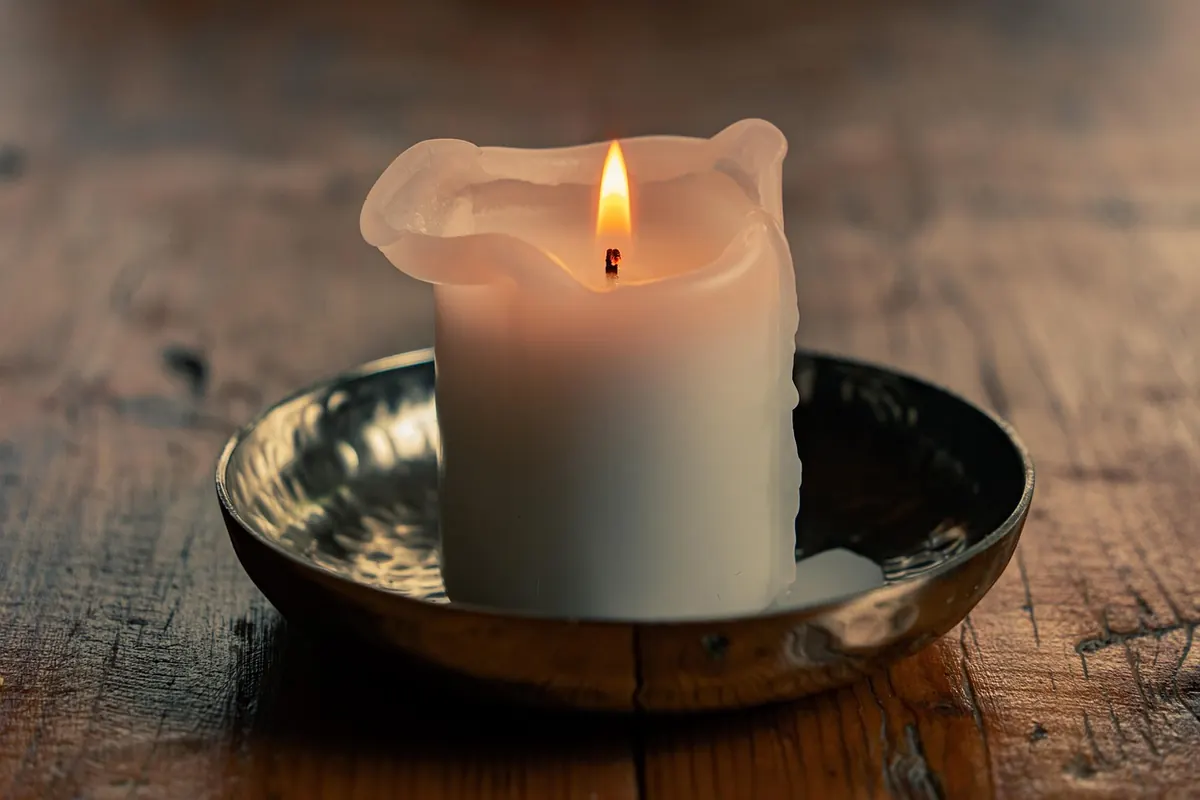
Two products, one job: make a room smell like something other than a room. The real difference comes down to how the fragrance leaves the wax — a burning wick versus a warmed dish — and that single design choice changes what you spend, how hard the scent hits, and how much scrubbing happens later. The right answer in a guest bathroom is rarely the right answer in an open-plan kitchen, so it's worth comparing them space by space before you give up shelf room to either one.
How Each One Releases Scent
A scented candle relies on combustion. The flame melts a pool of wax at the top of the jar, and that molten layer is what throws fragrance into the air. The wax is consumed as it burns, so the candle shrinks and eventually ends. You get light along with scent, which is the whole point for some people and a nuisance for others.
A wax melt does nothing until it's warmed. Drop a cube or a segment into the dish of an electric warmer and the heat releases the fragrance oil; the wax itself stays put. Nothing burns off. Instead, the scent fades over a handful of sessions while the wax sits there looking slightly tired, and then you swap it out. That's why melts can be switched mid-evening and candles can't — you're trading a long, slow, linear burn for something closer to a dial.
Cost: Compare the Hour, Not the Package
Package price tells you almost nothing. The number that matters is cost per hour of noticeable scent, and it's easy to estimate once you start paying attention.
- Units per pack. A jar candle is one long session; a bag of melts might be six or eight separate sessions.
- Hours of real throw. Count only the time you can actually smell it from across the room. Scent fades long before the wax disappears in a warmer, and the last third of a poorly burning candle is often weak.
- Heat source. An electric warmer is a one-time purchase with a small running cost. A tealight warmer means buying tealights forever, which quietly adds up.
- Waste. Candle wax left stuck to the glass after tunnelling is money you paid for and never smelled.
Cheap melts are the usual trap. If a bargain melt needs three cubes at once to register in your living room, it wasn't cheap — it was just sold in small pieces. The same logic applies to oversized candles with a single weak wick.
Scent Strength and Control
Melts win on adjustability. One cube in a small room is a whisper; three in a large one is a statement. A warmer with a higher-wattage bulb runs hotter and pushes more fragrance, and many electric models have a switch that lets you idle it down. You can also blend two melts in the same dish, which candle makers rarely make easy for you.
Candles give you light and a slower, more atmospheric build, but they're inflexible. A proper burn takes one to two hours minimum, otherwise the wax tunnels down the middle and wastes the outer ring. You can't run a candle for fifteen minutes before guests arrive; you absolutely can run a melt that long. Scent throw also depends on the room, the wax blend and the wick, which is why the same candle can fill a bedroom and vanish in a vaulted living room.
Room by Room
Bedrooms
Low and steady is the goal here. A small electric warmer with a single cube and a timer gives you scent without a flame near bedding, curtains or a stack of books on the nightstand. If you tend to drift off mid-chapter, that matters. Candles aren't wrong in a bedroom, but they require you to stay awake until they're out, and strong gourmand scents can turn cloying overnight — choose something green or lightly woody if you're running it for hours.
Bathrooms
Small, closed and often damp. Melts handle this beautifully: a plug-in or countertop warmer takes up less space than a candle jar and works the moment you switch it on, which suits a room used in short bursts. Candles can struggle with the door opening and closing, and a bathroom counter crowded with towels is not the safest place for an open flame. If you do burn one here, a tealight in a proper holder near the sink beats a tall jar balanced on the edge of the tub.
Kitchens
Honest answer: cooking smells beat fragrance almost every time. Treat scent here as a finishing touch rather than a cover-up. Ventilate while you cook, then scent afterwards. A melt running during dinner prep just competes with onions and loses. One practical note for melts — an open dish of wax left on a counter for weeks will collect dust and airborne kitchen grease, so cover it or swap it out rather than leaving it standing through a month of frying.
Open-Plan Spaces
Volume and air movement are the enemies. A single melt in a large room with a ceiling fan or an active HVAC vent often disappears; the same is true for a small single-wick candle. Better options: two warmers placed at opposite ends, a candle with a generous melt pool, or simply working with airflow — set the scent near a return vent or a spot where air naturally circulates rather than in a dead corner. Combining a melt in the kitchen zone with a candle on the coffee table is a legitimate strategy, not a compromise.
Safety, Air and Cleanup
Neither format is dangerous when handled sensibly, and both have specific failure modes worth knowing.
- Never leave a burning candle unattended. Trim the wick to roughly a quarter inch before each burn and keep it away from drafts, paper, pets and small hands.
- A tealight warmer contains a real flame. It follows every candle rule, including the ones about shelves and curtains above it.
- Electric warmers remove the flame but not the heat. The melted pool is hot enough to hurt if you touch it, so keep warmers out of reach of children and curious cats.
- Ventilate. Any scented product puts compounds into the air, and a closed room with three warmers going is asking for a headache. If anyone in the house has asthma or fragrance sensitivity, use less or skip it — and if you're concerned about a pet or a bird, ask your vet rather than guessing.
- Never pour leftover wax down a drain. It sets solid in the pipes.
Cleanup is where the two diverge most. For candles, freeze the jar for an hour or so; the wax shrinks and lifts out in chunks, then a wipe with paper towel and warm soapy water finishes the job. For warmers, let the dish cool, then either press a cotton ball into the wax or pop the dish in the freezer for ten minutes and the disc lifts away cleanly. Wipe with paper towel before washing, and never scrape with metal — you'll scratch the dish and future melts will stick.
Store melts somewhere cool and dark. Fragrance fades faster in a warm cupboard above the oven than most people expect.
A Practical Way to Choose
If you want a short answer: melts for small rooms, short sessions and flame-free scent; candles for light, atmosphere and a long slow evening. If you're somewhere in the middle, let the room decide rather than the packaging.
Test before you stock up. Buy one melt and one candle you like the sound of, run them in the actual space at the time of day you'd really use them, and note how long the scent stays noticeable and how much cleanup each one leaves you. Fragrance preferences are personal and room acoustics — forgive the phrase — room chemistry vary more than any label can account for. Give yourself two weeks of honest testing and you'll stop guessing.
Photo: alandsmann / Pixabay